Shade Consistency & Spectrophotometric Analysis
Shade is evaluated against the approved reference standard using the agreed method and tolerance. Ask for the grade-specific color-difference criteria and relevant batch results.
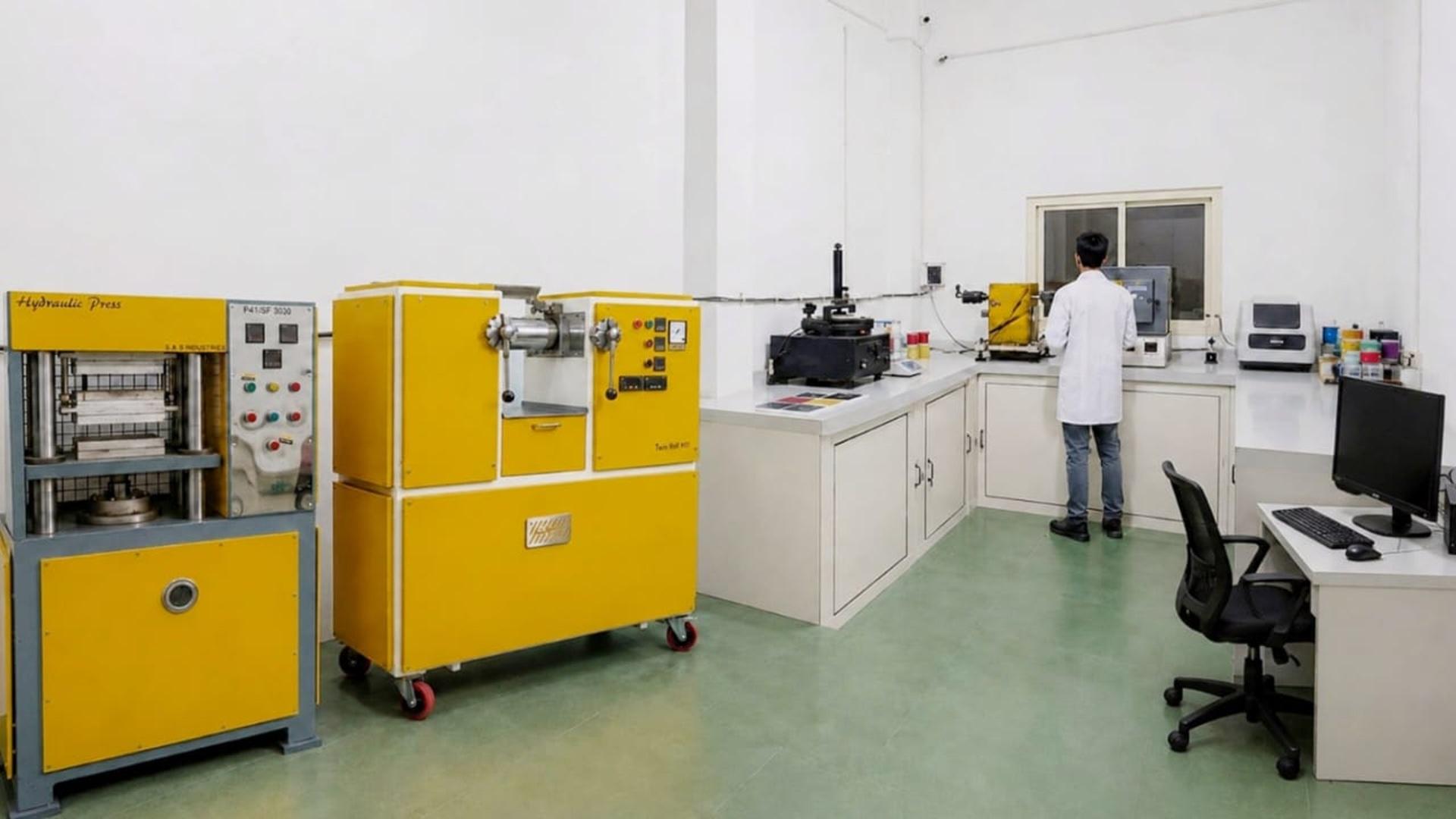
100% in-house pigment manufacturing.COA and TDS for your application.
Manali Pigments manufactures its ten product categories in-house, giving our technical team direct control of raw material selection, production conditions and batch-release checks. Our dedicated manufacturing infrastructure connects production with laboratory evaluation.
Batch results are assessed against the approved grade specification and reference standard. This controlled approach supports repeatable color performance and transparent technical communication; the applicable tolerance and test conditions remain specific to the grade and customer application.
Explore the manufacturing excellence behind our pigment quality-control approach.
How We Control Quality — Manali Pigments Facility Tour · 2 minutes 3 seconds

Incoming materials are checked against approved requirements.
Production follows the defined process for the selected product.
Relevant process checks support controlled manufacturing conditions.
Batch results are reviewed against the grade specification.
Applicable performance is evaluated in a representative medium.
Approved material is dispatched with the applicable batch documentation.
Quality checks support batch release against the approved specification. Test selection, frequency and acceptance criteria depend on the product and agreed requirements.
Shade is evaluated against the approved reference standard using the agreed method and tolerance. Ask for the grade-specific color-difference criteria and relevant batch results.
Relative tinting strength is assessed against the reference under defined preparation and measurement conditions. Interpret the result with the test medium and pigment loading, then confirm performance in your formulation.
Dispersion and particle-related checks are selected for the product and end use. Request the applicable fineness, particle-size method or dispersion test; different measurements are not interchangeable.
Thermal performance depends on pigment grade, polymer, concentration, processing temperature and dwell time. Request test conditions for your intended process; a 200–300°C application range is not a heat-stability guarantee for every pigment.
Lightfastness and weathering are evaluated for the selected grade and application. A Blue Wool lightfastness rating is not itself an outdoor service-life or weathering guarantee. Ask for the relevant method, exposure conditions and results.
Representative paint, ink, polymer or textile media help assess pigment performance before customer trials. Share your formulation, processing conditions and acceptance criteria; laboratory evaluation does not replace validation in your production system.
Our quality assurance protocols are not generic. They are calibrated to address the specific performance demands of each industry we serve.
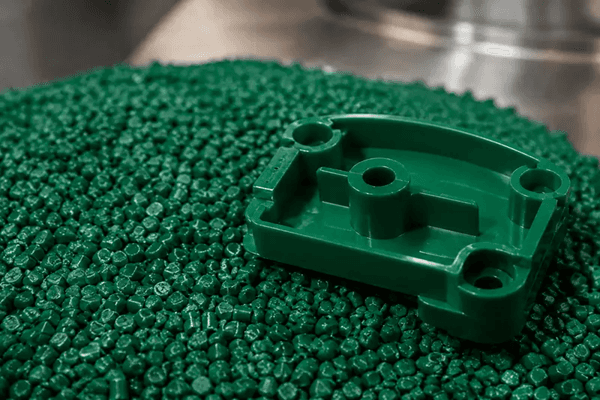
For plastics and masterbatch, assess dispersion, thermal stability and migration under the intended polymer and processing conditions. Request grade-specific data and validate the pigment at your concentration, temperature and dwell time.
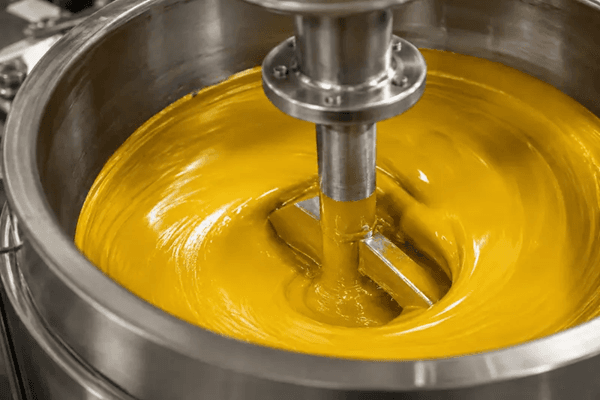
For paints and coatings, assess shade, tinting strength, opacity where relevant, dispersion and durability in the intended binder. Weathering data must be interpreted with the test method and exposure conditions, not as a universal service-life promise.
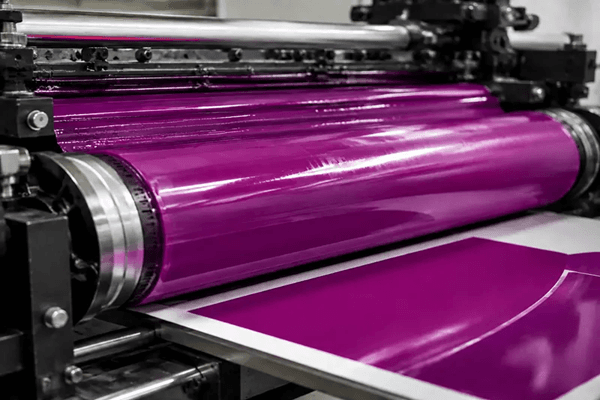
For printing inks, review batch color and relative strength together with dispersion and compatibility in the ink vehicle. Pigment manufacturing control supports repeatability, but finished-ink rheology and press behavior also depend on the formulation and processing.
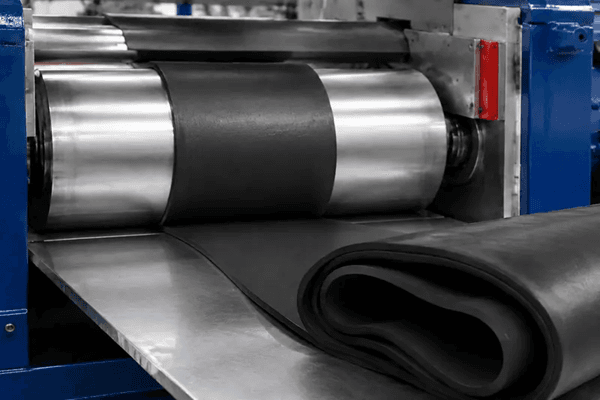
For textile and rubber applications, review the relevant fastness, bleeding, migration and curing or vulcanization conditions. Textile washing performance and rubber durability require application-specific evidence rather than one interchangeable rating.
Manali Pigments is committed to meeting international standards of quality management and environmental stewardship. Quality-management certification, export recognition, environmental permits and product-specific compliance are separate matters, described below.
Our ISO 9001:2015 certification relates to the quality management system within the scope stated on the current certificate. Request the certificate for its issuing body, covered activities and validity details. It is not a product safety, environmental or destination-market approval for every pigment.
Recognized by the Government of India for export performance. This is an export recognition, not product certification. Our documentation supports buyers evaluating international pigment export capability for their destination market.
Environmental operations and disposal arrangements are managed separately from the quality management certification. Ask for the current, applicable Pollution Control Board consent or authorization and its scope where required for supplier approval.
We maintain controlled waste management protocols designed for chemical manufacturing, for responsible handling of process by-products.
Share the pigment grade, intended use and destination market when requesting REACH, RoHS or other regulatory information. The technical team can identify applicable documentation and limitations. Do not treat general awareness as a blanket compliance or registration guarantee.



Years of Manufacturing Excellence
Pigment Categories, All In-House
Global Markets Served
In-House Manufacturing
Our quality systems support long-term manufacturing partnerships through consistent specifications and transparent technical communication.
Our quality systems are integral to the controlled manufacturing approach that defines every Manali Pigments product.
Our certifications, documentation and controlled production processes support international sourcing teams that require dependable technical and regulatory information.
Review application criteria for construction pigments, including relevant weathering and alkali-resistance evidence.
Tell us the document you need, the relevant pigment grade or application, and your destination market. Our team will identify the applicable technical or company documentation.
Manali Pigments manufactures its ten product categories in-house and controls the relevant raw materials, production conditions and batch-release checks. Results are assessed against the approved grade specification and reference standard. Ask for the applicable test method, tolerance and batch evidence; consistency means meeting agreed criteria, not an unqualified promise of zero variation.
Technical Data Sheets describe grade specifications, typical properties and relevant test conditions. A Certificate of Analysis records the agreed results for a specific production batch; it is not interchangeable with a generic specimen template. Provide the product or Color Index number, MPPL grade and batch or lot number if known so our team can identify the appropriate documentation. Ask separately for the current Safety Data Sheet when handling information is required.
Request thermal-performance data for the exact pigment grade, polymer, concentration, temperature and dwell time. Processing in the 200–300°C range requires suitable grades and defined test conditions; it is not a capability guaranteed for every pigment. Confirm shade, dispersion and any migration requirements through trials in your own formulation and process.
Direct manufacturing gives the technical team control of relevant production conditions, traceability and batch-release decisions. It also connects customer questions with the people responsible for the process. Compare suppliers using grade-specific specifications, representative batch data and technical support rather than assuming every manufacturer or sourced product has the same performance.
No. ISO 9001:2015 concerns the quality management system within the certificate's scope. It does not certify every pigment for environmental, food-contact, REACH, RoHS or other end-use requirements. Environmental consents and waste-handling authorizations are separate. Request the current company certificate and any applicable permit or product-specific evidence for your approval process.
Provide your company, destination country, pigment grade or Color Index number, intended use and the specific document or regulatory requirement. This helps the team identify the relevant TDS, SDS, COA, test report or compliance statement and explain its scope. Document availability and regulatory applicability must be checked for the exact product and market; general awareness is not blanket approval.
For textiles, review the applicable lightfastness, washing and bleeding data in the intended binder and substrate. For rubber, check dispersion, curing or vulcanization conditions and any migration or blooming requirements. The appropriate methods and results depend on the pigment and finished formulation. Ask for grade-specific evidence and validate it in your application rather than treating textile and rubber performance as identical.
Review the grade's relevant alkali resistance, lightfastness, weathering evidence and compatibility with the intended cement or construction binder. Compare the test method, pigment dose, substrate and exposure conditions, then conduct trials for color, setting and strength where required. A Blue Wool lightfastness rating alone is not a weathering or service-life guarantee for a construction product.


